Unraveling the Child Healthcare Crisis in Larkana, Pakistan: A Tale of Three Delays
Unraveling the Child Healthcare Crisis in Larkana, Pakistan: A Tale of Three Delays
30th September 2024
Journal of Women and Child Health
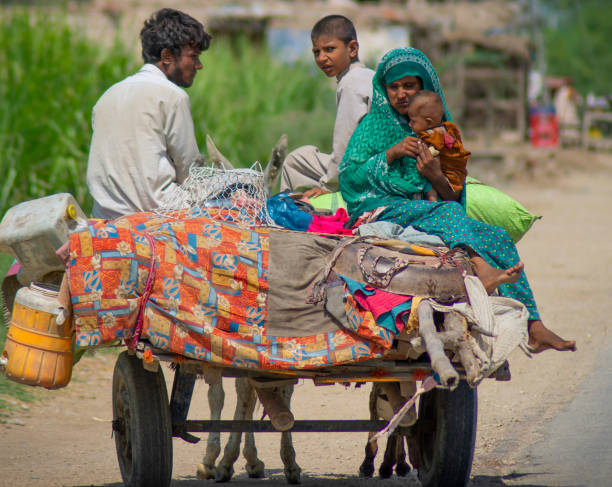
Imagine being a parent in rural Pakistan. Your child is burning with fever, their tiny body wracked with pain. You know they need medical attention, but the nearest hospital is hours away, and you're not sure how you'll pay for treatment. This isn't just a hypothetical scenario – it's the harsh reality faced by countless families in Larkana, a district in Pakistan's Sindh province.
A groundbreaking study has recently shed light on this critical issue, revealing the complex web of challenges that contribute to Larkana's alarmingly high child mortality rate. At 142 deaths per 1,000 live births for children under five, it's more than double Pakistan's national average. But what's behind these devastating statistics? Let's dive into the eye-opening findings and explore potential solutions.
The Three Delays Model: A Framework for Understanding
Researchers employed the "Three Delays Model" to unpack the barriers families face when seeking healthcare for their children. This model examines three critical junctures where delays can occur:
1. Deciding to seek care
2. Reaching appropriate care
3. Receiving adequate care
By analyzing these delays, we can better understand the multifaceted nature of the problem and identify targeted interventions.
Delay 1: The Battle of Beliefs and Knowledge
The first hurdle many families face is the decision to seek care. The study revealed a startling statistic: 36% of families in Larkana prefer traditional healers over hospitals as their first choice when a child falls ill. This preference isn't simply a matter of stubbornness – it's deeply rooted in cultural beliefs and often stems from a lack of trust in formal healthcare systems.
Even more concerning is that 38% of parents struggled to recognize danger signs in their children's health. This knowledge gap can lead to critical delays in seeking care, potentially turning treatable conditions into life-threatening emergencies.
The education factor:
Interestingly, the study found that mothers with higher education levels were more likely to give birth in hospitals and could better recognize health danger signs in their children. This finding underscores the transformative power of education in improving health outcomes and decision-making.
Delay 2: The Long and Winding Road
For families who do decide to seek professional medical help, the journey to care is often fraught with challenges. Transportation emerged as a significant barrier, with 17% of families reporting no access to transport whatsoever.
But even for those who can find a way to travel, the ordeal is far from over. A staggering 84% of families faced travel times exceeding 3 hours to reach a healthcare facility. Imagine the anxiety of a parent, cradling a sick child for hours on bumpy roads, uncertain if help will arrive in time.
The rickshaw reality:
The study found that rickshaws were the primary mode of transport for 86% of families seeking care, especially those headed to government hospitals. While rickshaws provide a vital service, they're not ideal for transporting sick children over long distances, particularly in emergencies.
Delay 3: The Final Hurdle
Upon finally reaching a hospital, families often encounter yet another set of obstacles. The study revealed that 43% of families spent over 1,000 rupees (approximately $6 USD) on healthcare – a substantial sum that can push many into financial distress.
The quality and availability of care also proved inconsistent. A concerning 40% of families were referred to other facilities due to a lack of supplies at the first hospital they visited. This cycle of referrals not only delays critical care but also compounds the financial and emotional toll on already stressed families.
Resource realities:
The high number of referrals due to lack of supplies (40.3%) and provider limitations (15.4%) raise serious concerns about the quality of care available in many facilities. These shortcomings can erode trust in healthcare services and deter future utilization.
Breaking the Cycle: Paths to Progress
While the challenges are daunting, the study also points to several promising avenues for intervention:
1. Community education programs:
Targeted initiatives to teach parents about health danger signs and the importance of timely care could significantly reduce the first delay. These programs should be culturally sensitive and address the reasons behind preferences for traditional healers.
2. Improving transportation:
Innovative solutions like mobile clinics or government-subsidized transport for medical emergencies could help overcome the physical barriers to healthcare access. Investing in road infrastructure in rural areas would also have far-reaching benefits.
3. Financial assistance:
Expanding health insurance coverage and providing targeted subsidies for vulnerable families could alleviate the economic burden of seeking care. Implementing sliding-scale fee systems at hospitals could also help ensure care is accessible to all.
4. Upgrading healthcare facilities:
Ensuring hospitals have necessary supplies, equipment, and well-trained staff is crucial for providing adequate care and reducing unnecessary referrals. This includes both improving existing facilities and strategically establishing new ones in underserved areas.
5. Empowering women through education:
Given the strong link between maternal education and better health outcomes, investing in girls' education and adult literacy programs could have profound long-term impacts on child health in the region.
Broader Implications: Lessons for Global Health
While focused on Larkana, this study offers valuable insights for addressing child health disparities in other resource-limited settings around the world. Key takeaways include:
- The importance of context-specific interventions that consider local cultural beliefs and socioeconomic realities.
- The need for a holistic approach that addresses not just medical care, but also education, transportation, and financial barriers.
- The potential of community-based interventions to drive sustainable change.
- The critical role of women's empowerment and education in improving child health outcomes.
A Call to Action
As we reflect on these findings, it's clear that ensuring every child has access to quality healthcare is a multifaceted challenge that requires collaborative efforts from communities, healthcare providers, policymakers, and international organizations.
For policymakers, this study provides a roadmap for targeted interventions that could dramatically improve child health outcomes. For healthcare professionals, it highlights the need for culturally competent care and community outreach. For NGOs and international aid organizations, it offers guidance on where resources might be most effectively deployed.
But perhaps most importantly, this research serves as a powerful reminder of the human stakes behind the statistics. Every number represents a child's life hanging in the balance, a family's hopes and fears, a community's future.
By addressing the barriers identified in this study and implementing comprehensive, culturally sensitive solutions, we can work towards a future where no child's health is compromised due to where they were born. The path forward may be challenging, but the potential rewards – in lives saved and communities transformed – make it a journey well worth taking.
What are your thoughts on addressing these healthcare disparities? How can we translate these findings into real-world impact? Let's continue this crucial conversation and work together towards a healthier future for all children, regardless of where they call home.
_________________________________________________________