HALFWAY TO 2030: ARE THE GLOBAL GOALS STILL ON TRACK?
12th January 2024
Journal of Women and Child Health
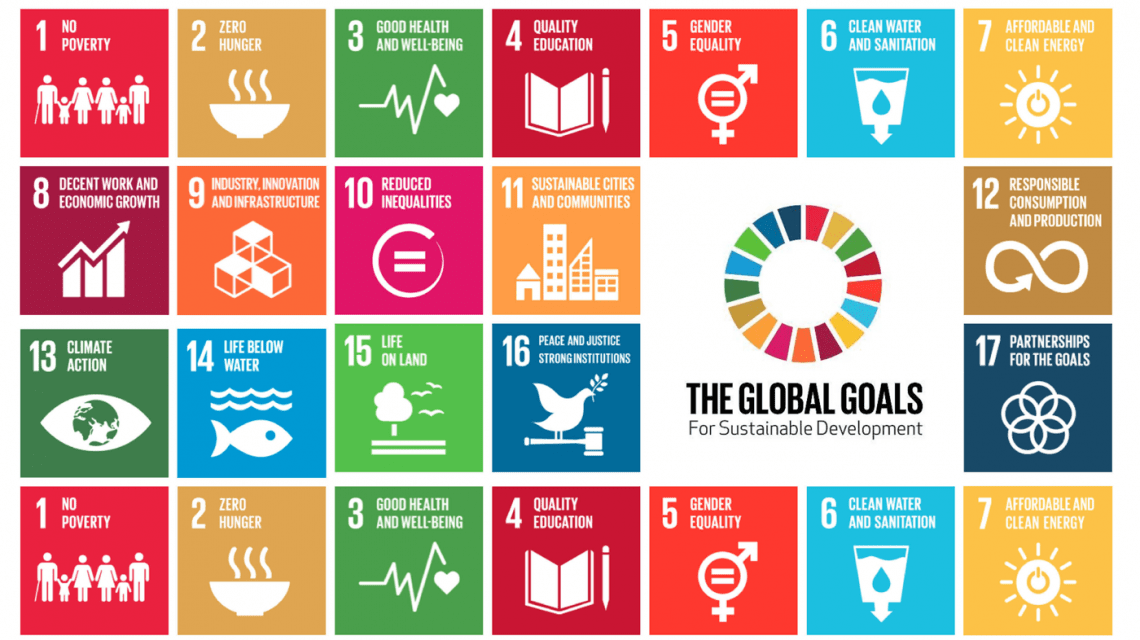
In 2016, the world united under the banner of the Global Goals, a bold vision to tackle humanity's biggest challenges like poverty, hunger, climate change, and inequality. Now, five years later, we stand at a crossroads. While the Goals have undoubtedly spurred action and progress, the harsh reality is – we're falling short on nearly all fronts.
So, where do we stand?
One undeniable success is the sheer power of the Goals themselves. By establishing a common language and measurable targets, they've galvanized governments, foundations, and donors around a shared objective. This, in turn, has translated into concrete action: increased aid flow, targeted investments, and a laser focus on the needs of the poorest. It's a testament to the power of unity in tackling global challenges.
But here's the rub – we're facing a colossal funding gap. With 169 specific targets to achieve, the estimated annual shortfall hovers between a staggering $10-15 trillion. That's more than all the taxes collected by every world government combined! In simple terms, the current spending trajectory won't get us there.
So, what's the way forward?
It's a two-pronged approach:
1. Plug the Funding Gap:
Donors must ramp up their commitments, exceeding initial pledges and prioritizing the needs of the least developed countries. While overall foreign aid is trending upwards, most recent increases went towards humanitarian efforts, not long-term development. We need dedicated action for the Goals.
2. Maximize Impact:
With limited resources, every dollar needs to count. We must identify the "best buys" in development – the interventions with the highest impact and lowest cost. Thankfully, decades of research offer a roadmap. Recent studies, like Bjorn Lomborg's "Best Things First," pinpoint highly effective policies with enormous benefits.
Imagine – by investing just $5 billion annually in maternal health interventions, we could save 166,000 mothers and 1.2 million newborns. And for another $5.5 billion, we could revolutionize agricultural research, improve food security, and generate long-term benefits worth $184 billion! These are just a few examples of the incredible potential lurking within these "best buys."
By prioritizing these high-impact interventions, we can maximize the return on every dollar, stretching limited resources further and making a tangible difference in people's lives.
Saving Lives, Driving Progress:
The Global Goals offer a beacon of hope in a complex world. They remind us that collective action can move mountains. But to truly succeed, we must acknowledge the funding gap and strategize smarter. By dedicating more resources and focusing on the interventions with the highest impact, we can turn the tide, save millions of lives, and deliver on the promise of a brighter future for all.
Remember, it's not just about spending more, it's about spending smarter. Let's work together to ensure the Global Goals become a reality, not just a dream.
_____________________________________________________________________________________________________________________